
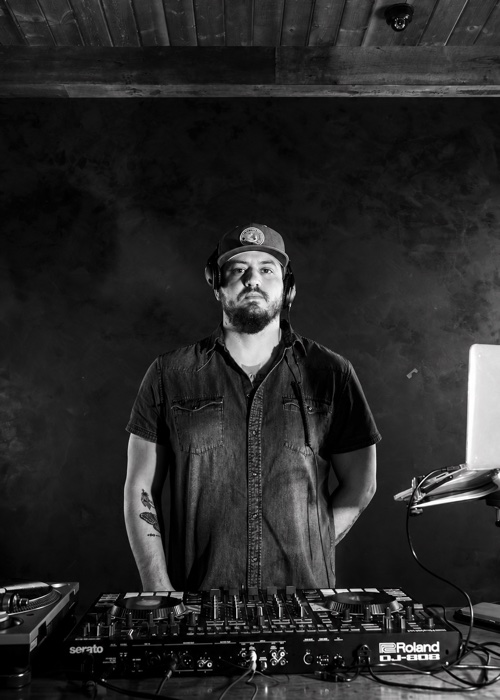
A Historical Perspective of Conscious Hip-Hop: Through Rhyme, Beat, and Awareness
Hip-hop, since its birth in the South Bronx area of New York City in the 1970's, has been more than just a musical form. It is a way of life, a culture, and a means for many people to express themselves. Within this culture exists a sub-genre that differs from the rest of the hip-hop community because of its socially conscious and politically charged lyrical content: conscious hip-hop. The genre has continually used its platform to address issues facing society today, to give a voice to those who have been marginalized and oppressed, and to create awareness and promote change.
Conscious Hip-Hop's Origins: Speaking Truth to Power
The roots of conscious hip-hop go back to the beginnings of rap, when artists used their music to reflect on their experiences in areas that were neglected and disenfranchised. The genre developed as a reaction to the social and political atmosphere of the time — primarily the systemic racism, economic disparity, police brutality and urban decay experienced by Black and Latino communities in New York City. "The Message," which was released by Grandmaster Flash and the Furious Five in 1982, is considered a landmark conscious hip-hop song. "The Message," with its blunt lyrics — "It's like a jungle sometimes, it makes me wonder how I keep from going under" — depicted an image of urban struggle and perseverance. Unlike the party-oriented hip-hop that came before it, "The Message" provided a new, more thoughtful approach to hip-hop storytelling that would establish itself as a central component of conscious hip-hop. KRS-One is another artist that helped establish conscious rap. With Boogie Down Productions and later as a solo artist, KRS-One addressed social concerns such as police brutality, violence, and systemic oppression through songs such as "My Philosophy" and "Sound of da Police." KRS-One, who would later become known as "The Teacha," saw his music as a vehicle for education and social change, utilizing his sharp lyricism with a dedication to community activism.
The Golden Age of Conscious Hip-Hop: 1980s to Early 1990s
Many consider the late 1980s to early 1990s as the "Golden Age" of hip-hop — a time period characterized by creativity, diversity, and deep lyricism. This time period saw the rise of conscious hip-hop as a dominant force in hip-hop, with artists and groups utilizing their voice to challenge the status quo and bring attention to social issues. Public Enemy, led by Chuck D and Flavor Flav, became the frontrunner of politically charged hip-hop. Public Enemy's 1988 album, "It Takes a Nation of Millions to Hold Us Back," was a groundbreaking album containing tracks that criticized institutional racism, media manipulation, and the fight for equality for African Americans. The later 1989 single "Fight the Power" served as anthems for the civil rights movements of the late 1980s and early 1990s, using aggressive language combined with explosive production to inspire generations. Groups such as A Tribe Called Quest and De La Soul also emerged in this time period introducing a more inward-looking and experimental style of conscious hip-hop utilizing jazz-influenced beats combined with philosophical lyrics. These groups often explored topics such as identity, Afrocentrism, and celebrating Black culture in their music. The Native Tongues collective, which consisted of artists and groups such as Jungle Brothers and Queen Latifah in addition to A Tribe Called Quest and De La Soul, stressed positive thinking, unity, and a progressive mindset for the hip-hop community. West Coast artists such as Ice Cube also developed a West Coast version of conscious hip-hop. After leaving N.W.A., Ice Cube released his debut album "AmeriKKKa's Most Wanted" which contained songs addressing subjects such as racial profiling and systemic discrimination. Tupac Shakur's early work illustrated his duality as both a poet and an activist utilizing elements of gangsta rap combined with social commentary in tracks such as "Brenda's Got a Baby" and "Keep Ya Head Up."
The Commercialization of Hip-Hop: 1990s to Early 2000s
With hip-hop growing in popularity throughout the 1990s, the genre started diversifying. Gangsta rap emerged as a popular form of hip-hop depicting tales of street life; however, mainstream hip-hop began focusing more on themes relating to wealth, fame, and material possessions.
Although this shift generated huge amounts of revenue for the genre; however, it also caused conscious hip-hop to be overshadowed by more financially profitable sub-genres.
Despite this shift in focus for hip-hop; however, many conscious hip-hop artists remained active and influential. Nas' 1994 debut album, "Illmatic," is commonly regarded as one of the best albums ever produced in hip-hop.
Although "Illmatic" is not typically categorized as solely conscious rap; however, Nas' introspective storytelling and commentary on urban life in New York City appealed to listeners searching for deeper meaning in their music. The mid-1990s also saw growing recognition for artists such as The Roots — a Philadelphia-based group known for their live instrumentation and introspective lyrics — and Common whose 1994 album "Resurrection" received acclaim for its thoughtful lyricism and jazz-influenced beats.
Additionally, Mos Def (later Yasiin Bey) and Talib Kweli released Black Star’s debut in 1998, reviving the conscious movement with their critically acclaimed debut album which presented an honest view of racial identity, community, and the music industry itself. Lauryn Hill's 1998 album "The Miseducation of Lauryn Hill" became one of the most visible voices in conscious hip-hop combining rap, soul, and reggae to explore subjects including female empowerment, self-love, and social justice. The album earned several Grammy Awards and solidified Hill as one of the most prominent cultural figures of her time.
A Resurgence and Evolution of Conscious Hip-Hop: 2000s to Present
Beginning in 2000s, conscious hip-hop experienced a revival spurred by a new generation of artists who utilized the rich history of social commentary in conscious hip-hop. Artists used the changing technological landscape and social media to disseminate their message to larger audiences. Artists such as Kanye West and Lupe Fiasco utilized their platforms to address social/political issues. Kanye's "The College Dropout" (2004) explored issues including education, consumerism, and racial inequality while his 2005 hit song "Diamonds from Sierra Leone" raised awareness regarding the human cost associated with diamond mining in Africa. Lupe Fiasco's 2006 debut album "Food & Liquor" contained tracks such as "Kick, Push" and "American Terrorist," exploring skateboarding culture alongside broader political and social concerns. One of 1st Drop Music's artists Bear the Astronot is an example of an artist from this time period. See Bear the Astronot's albums Cricket Songs and Think Revolution for examples of Bear the Astronot's contributions to conscious hip-hop in 2000s. Bear the Astronot's music revolved around themes related to politics, hip-hop culture, and poverty on the reservations where he lived part-time as a youth. Bear the Astronot has been active in the conscious hip-hop community from 2000s until today. Meanwhile, artists such as Kendrick Lamar emerged in 2010s as leaders of conscious hip-hop. Lamar's 2015 album "To Pimp a Butterfly" is often cited as one of the most important albums produced in hip-hop during modern times. Lamar blended jazz/funk/soul influences with sharp social commentary regarding race, fame, and the complexities surrounding Black life in America. Tracks such as "Alright" and "The Blacker The Berry" became anthems for Black Lives Matter movement cementing Lamar's reputation as a socially conscious artist. J. Cole also became a prominent artist in the conscious hip-hop community using his platform to address subjects such as mental health/systemic racism/economic inequality. Cole's albums such as "2014 Forest Hills Drive" and "KOD" explored deeply personal/societal issues often prompting listeners to evaluate their own lives/the world surrounding them.
Conscious Hip-Hop in Digital Era
Rise of Internet/Social Media expanded reach/influence of conscious hip-hop. Independent artists have greater access to tools for distributing their music/message directly to listeners without requiring major record label assistance. This expansion has led to increase in number of conscious artists representing various backgrounds/perspectives contributing to genre's evolution. Artists such as Noname/Rapsody/Little Simz continue pushing boundaries of conscious hip-hop blending personal storytelling with broader social commentary. They represent new wave of artists producing music addressing social/political concerns while engaging with audiences/fostering community/advocating for change using platforms available to them.
Legacy/Impact of Conscious Hip-Hop
Conscious hip-hop left a lasting impact on both music industry/society at large. It provided a voice for marginalized/oppressed communities promoting solidarity/shared struggles among them. Through its messages of awareness/empowerment/resistance conscious hip-hop encouraged listeners to evaluate their environment critically/challenging status quo. Influence of genre extends beyond music impacting literature/film/fashion/social movements globally. It remains an effective means for educating/advocating reminding us that hip-hop ultimately reflects lived experiences — mirror to society — both its imperfections/potential for growth/change.
Future of Conscious Hip-Hop
As we move forward in 21st century conscious hip-hop remains a vibrant/ever-changing force. New artists continue entering scene bringing new ideas/soundscapes to genre.
Although themes/issues may evolve over time fundamental mission of conscious hip-hop — speaking truth to power/challenging/uplifting — continues. As long as stories need telling/justice needs fighting/people need connecting/understanding conscious hip-hop will remain relevant/required. In increasingly complex/divided world conscious hip-hop serves as reminder of art's ability to unify/heal/promote social progress. It is not just a genre; it is a movement — call to consciousness that transcends generations/cultures/boundaries