
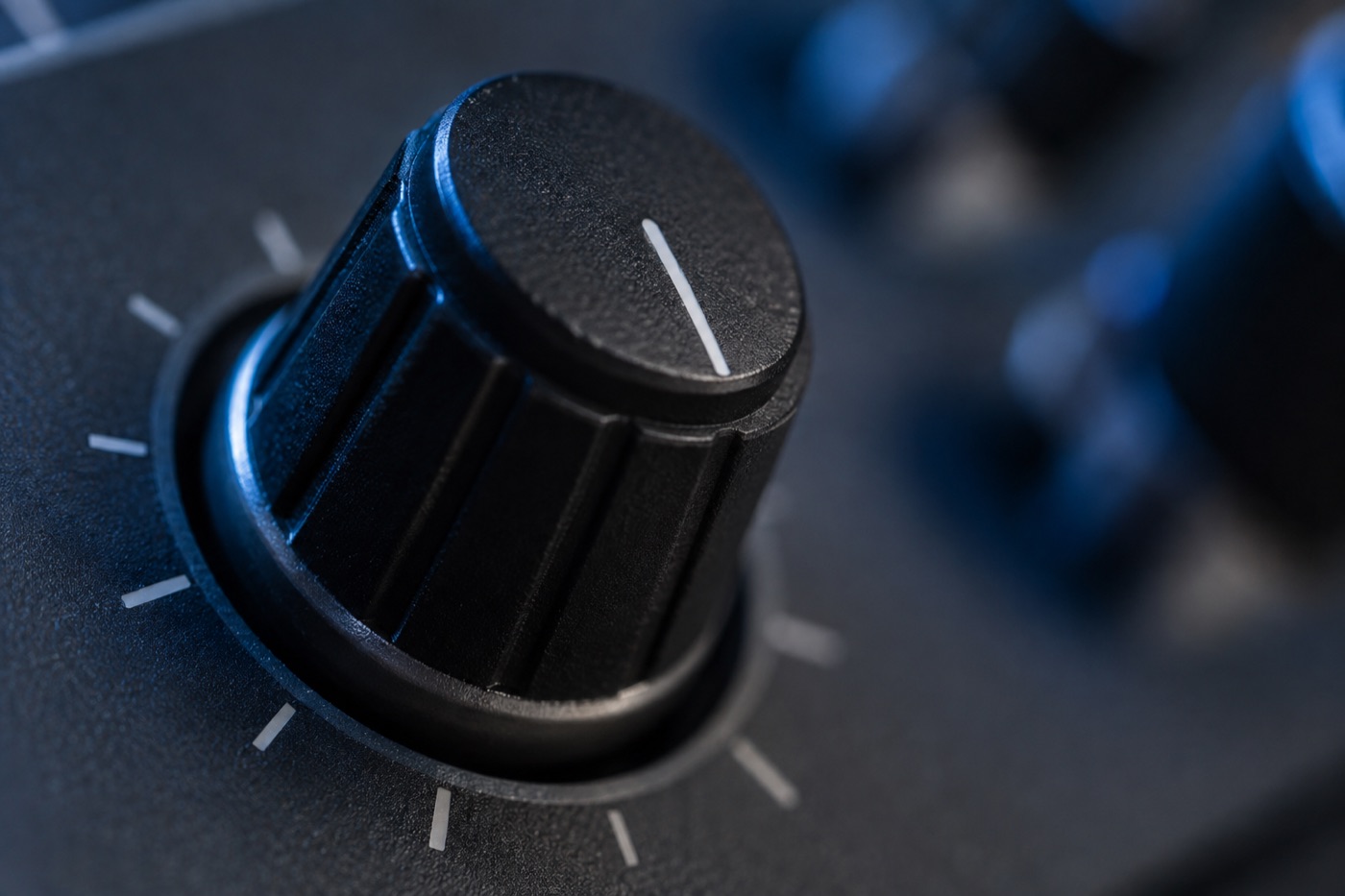
A synthesizer offers an almost endless number of possible sounds. That abundance can make choosing difficult. A striking patch may be impressive in isolation yet leave little space for the song around it. Sound design becomes arrangement when each adjustment answers a musical question.
Start with a role
Will this sound carry the melody, create motion beneath it, mark a transition, or supply an atmosphere? That role narrows the options. A slow attack can make a pad bloom behind a vocal. A short, sharp sound can punctuate a rhythm. The same instrument can do either, but trying to do both at once may crowd the arrangement.
Save the sound that works in context, not only the one that sounds most impressive when soloed. Listening with the full track is a practical test of whether a timbre belongs.
Movement should mean something
Changing a filter or envelope can make a repeated phrase feel alive. But constant motion can pull attention away from the human center of a song. A subtle change near the end of a verse may prepare the next section more effectively than an effect running across every bar.
Automation is a form of performance. It can emphasize a note, create tension, or make room. Draw or record it with the same care you would bring to a played phrase.
Keep a path through the sound
In the final mix, ask whether the sound's role is still audible. If not, the answer may be a simpler patch or a clearer entrance rather than more level. A listener should be able to feel why a texture appears, changes, and leaves.
Moving through the 1st Drop catalog by genre reveals different ways electronic texture and acoustic material can share space without forcing them into one aesthetic.
One way to test a patch is to remove it for a complete listen. What disappears: a necessary musical function, a mood, or only a moment of novelty? If the song loses a vital thread, restore the sound and refine how it enters. If nothing important changes, the patch may belong in another piece. This is not an argument against experimentation. It is an invitation to let experimentation lead to a choice, so that the finished track feels shaped rather than merely full of options.
Keep listening
Explore by genre · Hear complete releases
Editorial artwork is illustrative and was created for this series.